
Introduction
Registering for ATMA may seem straightforward, but a typo, incorrect photograph or incomplete payment can complicate the process. Treat the ATMA registration process as a series of steps, with a check at each stage, rather than something to rush through in one sitting.
Registration requirements can vary between ATMA sessions, so follow the instructions and dates for the test you plan to take. This guide covers the usual steps, what to prepare and common mistakes to avoid. For current rules on eligibility, file specifications, fees and corrections, always consult the official session information. Reviewing the ATMA registration process in advance can help you plan around these requirements.
Analysis: the candidate and the application form
Before entering any details, check that the session fits your admission timeline and that you meet its eligibility requirements. A complete application may still be poorly timed if the exam date does not align with an institution’s admissions schedule. This is an important first check in the ATMA registration process.
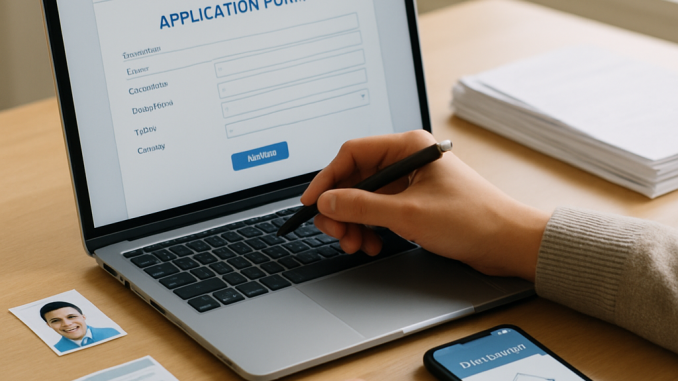
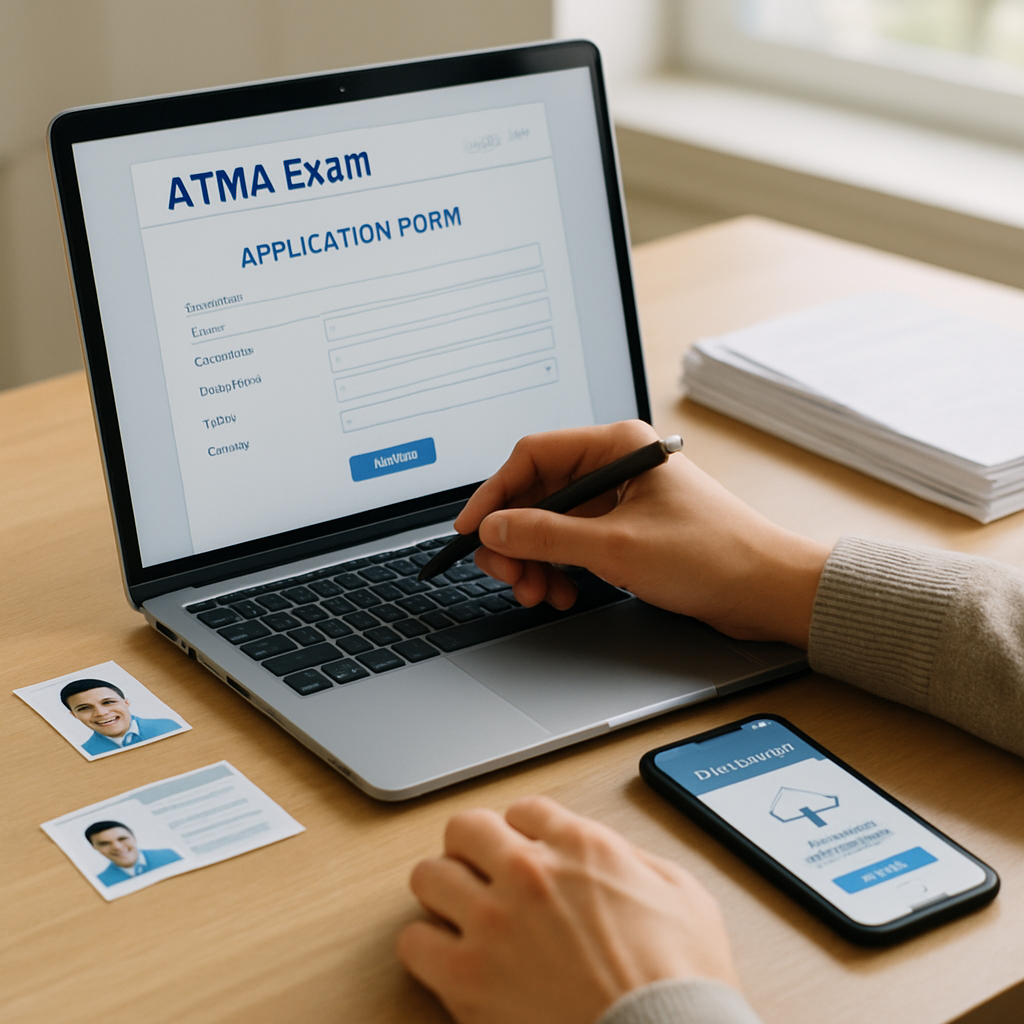
Applicants usually register through the designated examination portal, enter personal and contact details, select test information and complete the required declarations. The exact process may change, but each detail should match the relevant supporting records. Find the current ATMA application form through the official portal and follow its session-specific instructions.
Check names, dates of birth, email addresses and mobile numbers carefully. Use the spelling and format shown on the documents specified in the session instructions. Make sure you can access the email account and phone number you provide, as confirmations and exam updates may be sent there. Accurate details are essential throughout the ATMA registration process.
Check which details need to be entered and which documents, if any, must be uploaded. Requirements may differ between sessions, so do not rely on what was requested for an earlier application. The official instructions are the best guide to documents for ATMA and their required formats.
Key factors
Prepare before opening the form. Depending on the session, you may need an identity document, academic details, a recent photograph or a signature image. Keep relevant records nearby so you can enter names, dates and qualifications accurately. The session instructions will specify which items to upload, which to keep for reference, and any file format or size limits. Preparing these items beforehand makes the ATMA registration process easier to complete accurately.
Photographs and other image files can cause problems if they are blurred, poorly cropped or in an unsupported format. Check the current specifications before resizing or converting files, and make sure any edits do not conflict with the stated requirements.
Review your examination choices. Confirm the session, test date and any centre or preference selections before continuing. Some choices may be difficult or impossible to change after submission. If a field is unclear, check the instructions rather than guessing.
Check payment separately. Use the current session’s official information to confirm the fee, accepted payment methods and any extra charges. Follow the process through to the confirmation screen. Entering payment details or closing the page does not confirm that a transaction succeeded. Treat application fee payment as a distinct step in the ATMA registration process.
Save or print the payment confirmation, then check your application status if the account provides that option. If money has been debited but no confirmation appears, check the transaction status and official guidance before trying again. A pending payment may take time to update, and repeated attempts can create confusion.
Do not assume corrections will be allowed. Some sessions may offer a correction window, but its dates and rules vary. Certain details may be editable while others are locked after submission. The initial entry is the best chance to get everything right. If needed, check the official rules for ATMA form correction rather than assuming every field can be changed.
Common registration mistakes include using an email address you rarely check, entering details that do not match your records, uploading the wrong file, selecting the wrong session, missing a declaration or assuming payment went through. Before submitting, compare the form with your documents, review every summary page and save the confirmation. Avoiding these registration mistakes is a key part of a careful ATMA registration process.
Avoid leaving registration until the last hours. Heavy traffic, payment delays or upload problems can make a small issue difficult to resolve before the deadline. Allow time to review the form carefully and complete the ATMA registration process without rushing.
Match scenario: a reliable registration sequence
Before applying for an upcoming session, a candidate checks the instructions, confirms eligibility and notes the deadline. They gather the required identity and academic information, prepare any requested image files and use an email account they can access throughout the process. This preparation gives the ATMA registration process a clear starting point.
During registration, the candidate enters details from their records, reviews the selected session and preferences, and completes the payment. After receiving confirmation, they compare the application summary with their documents and save the receipt or acknowledgement. If they spot an error, they check whether a correction facility is available and follow its rules. These checks help keep each stage of the ATMA registration process on track.
This process cannot prevent every problem: payments can fail, instructions can change and errors may be noticed after submission. But it reduces avoidable mistakes and provides a clear record if support is needed. Keeping confirmations and following official guidance can make the ATMA registration process easier to resolve if an issue arises.
Conclusion
A careful ATMA application depends on preparation, accurate details and a final review. Check the session-specific rules, gather the required information, complete the form, verify payment and save the confirmation. Taking each step in turn is safer than rushing through the whole process and helps you complete the ATMA registration process with confidence.
For deadlines, document requirements, fees and corrections, rely on the current official instructions. This helps you distinguish actual requirements from assumptions and avoid preventable registration problems. A final review of the ATMA registration process and your submitted details can help ensure that nothing important has been overlooked.