
Could Lack of Sleep Affect Decisions During a Late-Night Gaming Session?
Introduction
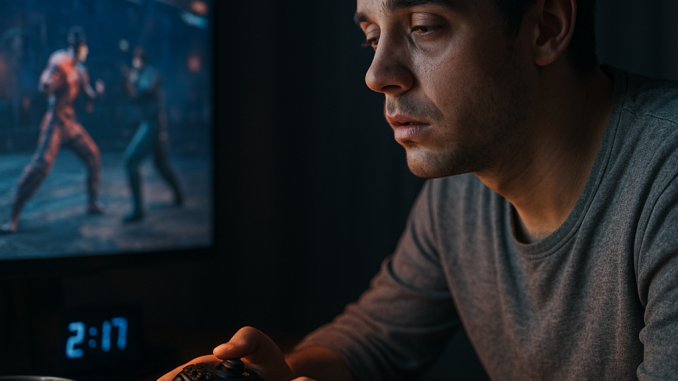
Late at night, a Tekken 8 player may seem sharp until a familiar punish fails to land. It looks like a mechanical error, but it may be the result of a slower process: attention drifts, a cue goes unnoticed, and the player struggles to adjust.
That distinction matters in the Tekken 8 Players United Community, where close rounds often hinge on repeated, high-pressure decisions rather than one spectacular play. There are no named competitors, event dates or roster details to assess, so this is not a report on a specific match. It explores how sleep loss could affect the decisions a session demands.
Fatigue does more than slow button presses. It can make it harder to stay focused, weigh options and adjust when an opponent changes pace. A player may know the right response but fail to choose it consistently under pressure.
Analysis of players
Reaction time is only one part of fighting-game performance. Players must recognize a move, judge its range and timing, choose a response and execute it. A delay at any stage can turn a punishable attack into a safe escape—or allow pressure to continue.
Sleep restriction is often discussed through the finding that sleeping six hours a night for two weeks can impair reaction time and attention to a degree comparable to multiple all-nighters. This comparison highlights the effects of accumulated sleep loss; it does not mean every player will be affected in the same way. Individual responses vary, and one late session cannot be judged by sleep duration alone.
For a player who relies on quick defensive reads, the risk is clear: a launch punish or response to a low attack may come a fraction too late. But the bigger problem may start before the input. A tired player might lose track of an opponent’s habits, miss a change in spacing or respond to the previous exchange instead of the current one.
Fatigue can affect different play styles in different ways. A defensive player may hesitate when a challenge is needed, letting the opponent keep the initiative. An aggressive player may become less selective, repeating a risky approach instead of waiting for a clear opening. Neither style is inherently more vulnerable; fatigue can weaken the judgement each depends on.
Adapting is especially demanding. A player might start with a sound plan, then need to revise it after repeated sidesteps, throws or interruptions. With depleted attention, they may stick to the original response even after the evidence changes. This can look like stubbornness, but may reflect difficulty noticing and processing new information.
Key factors
Attention over time. Tekken 8 players track several things at once: distance, animations, meter, wall position and the opponent’s recent choices. Fatigue may make attention less reliable without eliminating it. The result can be occasional lapses, such as missing one cue in an otherwise solid sequence.
Decision quality under pressure. A choice in a late round is rarely just a reflex test. Players must weigh a safe option against a riskier punish, or decide whether to respect pressure or challenge it. When tired, they may rely on familiar responses and give less thought to alternatives. In a game built on conditioning and adaptation, that can make them easier to read.
Execution and confidence. A missed combo or delayed punish can shake a player’s confidence. They may become too cautious or force a comeback. Fatigue does not determine how they will react, but it can make it harder to correct course. One error may affect the next decision instead of remaining an isolated execution mistake.
Session length and conditions. Sleep is not the only reason performance may decline late in a session. Long sets, frustration, hunger, room conditions and sustained high-stakes play can all affect concentration. A well-rested player may lose focus after hours of competition, while a tired player may perform well for a time. The clock alone does not establish the cause.
Feeling tired and being impaired are not always the same. Players may underestimate the effects of ongoing sleep restriction, especially if they are used to a demanding schedule. Confidence is therefore an imperfect guide to readiness. Looking at performance patterns may be more useful than relying on the feeling of being alert.
Scenario of a match
Consider a hypothetical close set. One player repeatedly uses the same approach to enter range. Early on, the defender recognizes it, blocks and lands a punish. Later, the attacker delays the approach or changes its timing. Still expecting the earlier pattern, the defender commits too soon and loses momentum.
This sequence cannot prove that sleep loss caused the mistake. It does show where fatigue could matter: not just in the speed of a button press, but in noticing a timing change and adjusting the response. If attention is wavering, the defender may see the movement without registering that it differs from what came before.
As the set tightens, the defender may become more cautious, stop challenging and let the pressure continue—or overcorrect by attacking at an unsafe moment. The opponent does not need to know why the pattern has changed. They only need to notice that the same response is coming more often.
In a real session, one mistake would not be enough to make a persuasive case. Repeated missed cues, less consistent punishes, slower adaptation and changes in risk-taking would be more informative together than a single lost round. Even then, match footage cannot confirm how much a player slept or rule out other causes.
Conclusion
Lack of sleep could affect decisions during a late-night Tekken 8 session, and the effects may go beyond slower reactions. Attention, consistency and the ability to revise a read are central to high-level play. When they become less reliable, small lapses can add up to lost pressure, missed punishes and predictable choices.
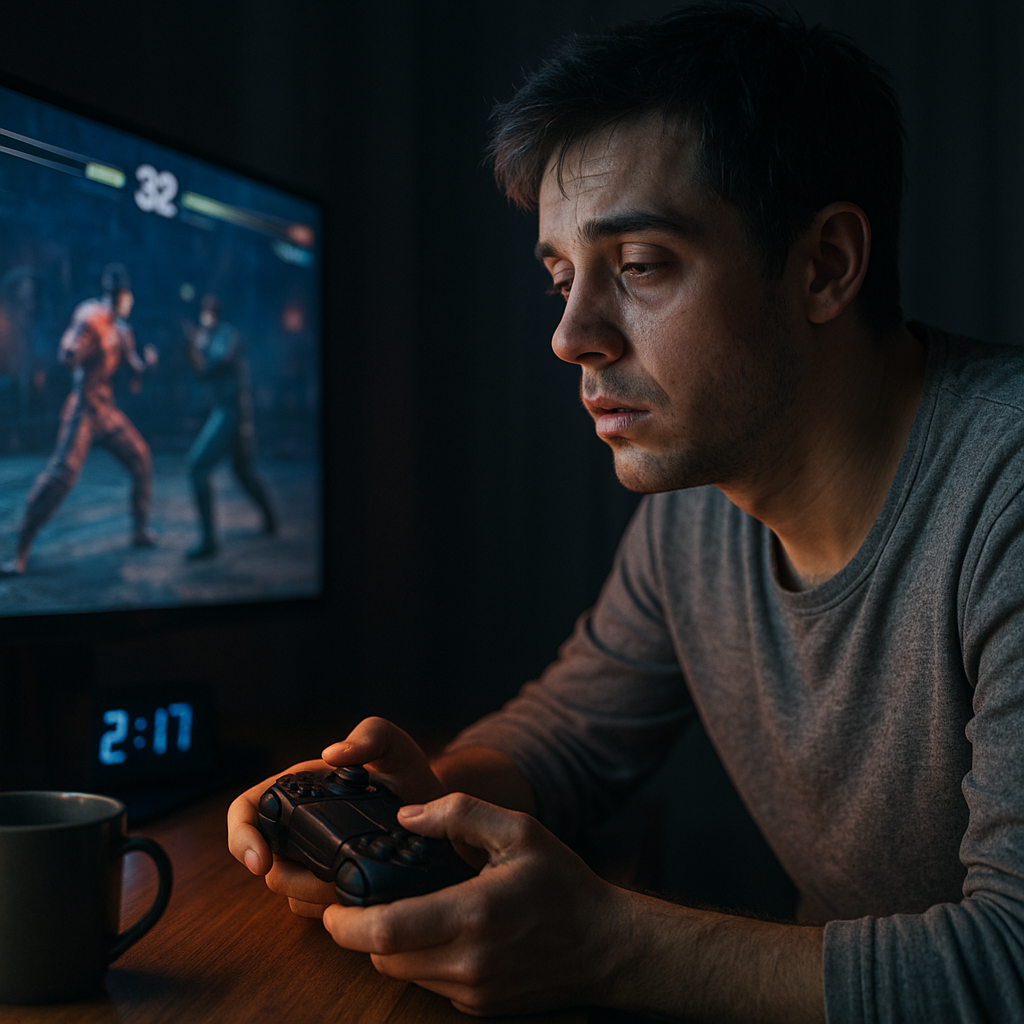
The comparison between six hours of sleep for two weeks and multiple all-nighters shows why short sleep should not be dismissed as harmless. But it is a broad research finding, not a diagnosis of any individual player. In the Tekken 8 Players United Community, a late-night loss should not automatically be blamed on fatigue. Still, if decision-making declines over the course of a session, sleep is a plausible factor to consider alongside execution, tactics and the opponent’s adaptation.