Rajbet Login: How Can Players Protect Their Account on Shared Devices?
Introduction
Logging in to Rajbet on a shared phone or computer calls for extra care. A password isn’t the only risk: an open session, saved form or browser tab could give the next user access to the account.
Account security on a shared device depends on a routine before, during and after each session. Signing out before handing the device back is especially important.
A device isn’t automatically safe just because it belongs to a friend, relative or workplace. The key question is whether someone else could access the account, retrieve login details or view private information.
Analysis of the players
The account holder is responsible for controlling access. The next person to use the device may be trusted, but that doesn’t change what the browser can retain or what an open screen can reveal.
Consistency helps reduce risk. Where available, use a private browsing window, check the address before entering login details and decline the browser’s offer to save the password.
Private browsing has limits. It may reduce some local traces after the window closes, but it can’t make a compromised device safe, hide activity from every network operator or prevent someone from looking over your shoulder. You still need to sign out and close the session.
Even on a friend’s computer, you may not know which extensions are installed, what credentials are saved or whether the device is secure. On a public or managed device, it may be safer not to log in, especially if the account contains personal or payment information.
Rushing can lead to mistakes, such as missing a fake login page, accepting a password-save prompt or leaving the account open. Take your time and check each step.
Key factors
Check the page. Before entering your details, make sure the address is correct and the browser indicates a secure connection. Don’t use login links from unsolicited messages. If anything seems wrong, close the page and verify the address independently.
Keep your credentials private. Use a strong, unique password—not one you use for email, banking or other accounts. Don’t say it aloud, leave it written beside the device or save it in a shared browser profile. If you use a password manager, make sure it’s safe to access on that device.
Protect your screen. Keep it out of view while entering your password, and don’t log in where someone could watch or photograph it. Never leave an account open when stepping away, even briefly. Lock the device if you must leave it unattended.
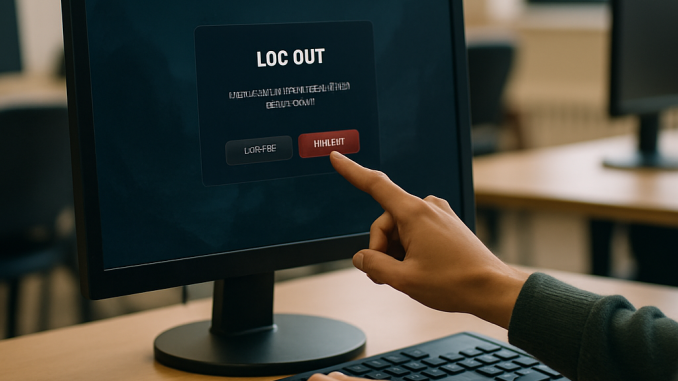
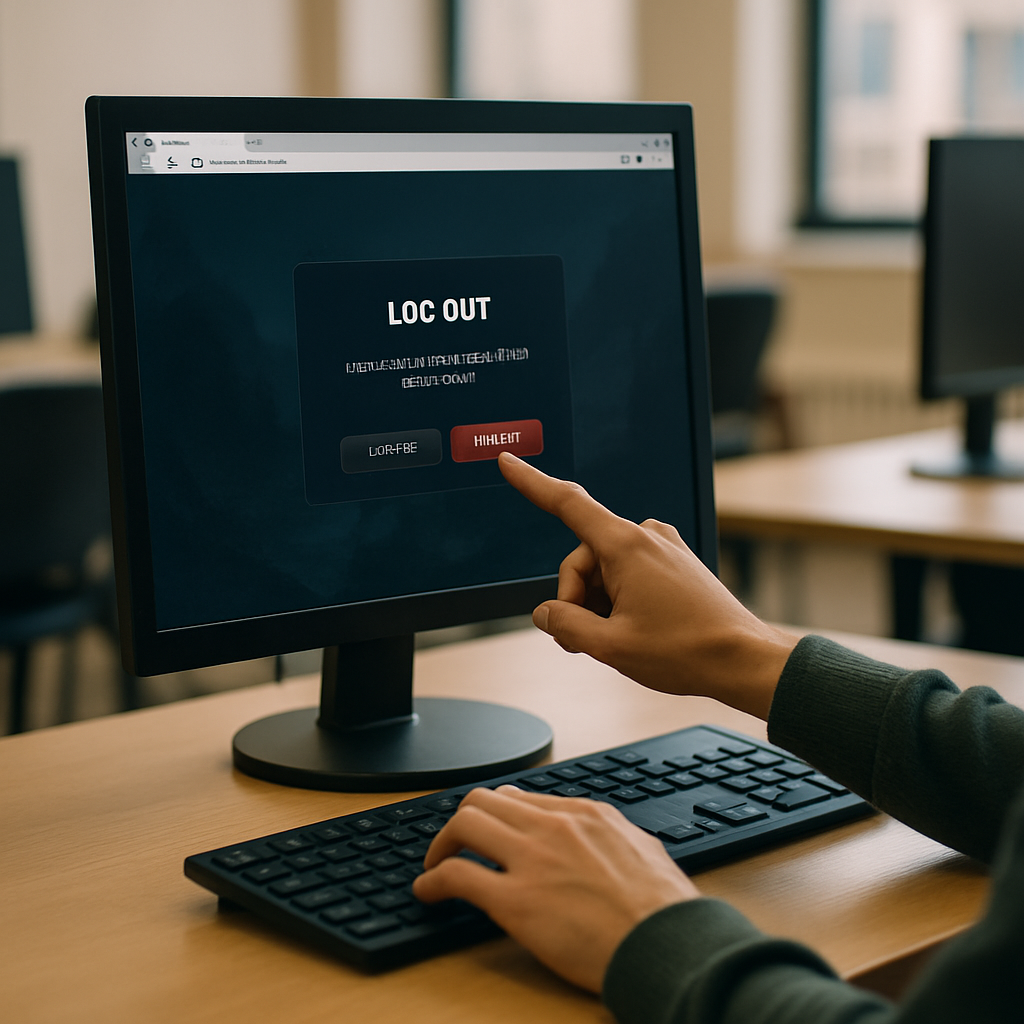
End the session. Use the site’s sign-out option; simply closing a tab may not be enough. Then close the private window or browser and check that the account is no longer accessible. This matters especially when several people share the same browser profile.
Don’t let the browser remember your details. Decline prompts to save your password or keep you signed in. Also make sure recovery details and verification messages aren’t visible in an inbox or notification panel.
Consider the device’s condition. You may not be able to check the security of a shared device. Don’t install software, grant unfamiliar permissions or change security settings just to log in. If the page asks for unexpected information or the device seems compromised, stop.
Act quickly if something goes wrong. If your password may have been saved, exposed or entered on a suspicious page, change it from a trusted device. Change it on any other accounts where you reused it. Review the available security settings and contact the service through a verified channel if you notice unusual activity or access problems.
Additional verification can provide another layer of security, but it doesn’t replace signing out. Never share a one-time code or enter it on a page you haven’t checked. Keep recovery methods current and private, and don’t leave them accessible on a shared device.
Match scenario
Imagine borrowing a family member’s tablet for a short session. Since others use its browser profile, you decline to save your password, check the page before entering your details and keep the screen out of view.
When you’re finished, sign out, close the browser window and check that reopening the site doesn’t bring up your account. This final check can catch a session that might otherwise be left open for the next person.
Now suppose the tablet is in a public area, the browser contains someone else’s saved credentials or the login page asks for unusual information. Don’t try to work around the problem. Wait until you can use a safer device.
If you later realise that your password was saved or you left the session open, use a trusted device to change the password and end other sessions if that option is available. Then review your account activity and settings. A missed step doesn’t guarantee misuse, but prompt action can limit further access.
Conclusion
To protect an account on a shared device, control what others can see, what the browser stores and whether the session remains active. Check the page, keep credentials out of the browser’s memory, protect your screen and treat signing out as part of the login process.
These steps are simple, but they work best when followed every time. On someone else’s device, don’t rely on trust in the owner or the machine. Use a routine that leaves as little access behind as possible.